Most web design projects go sideways for one simple reason: the client wasn’t involved enough. You hand over a brief, the agency runs with it, and weeks later, you’re looking at something that just doesn’t feel right.
The good news is that web design collaboration changes all of that. When clients stay in the loop throughout the process, the final website actually reflects the business, the brand, and the people it’s built for.
Building a custom website works best when it’s treated as a two-way conversation. And that starts from day one. In this article, we’ll explore what genuine web design collaboration looks like, why it matters, and how to make it work in practice.
Web Design Collaboration: What It Actually Means
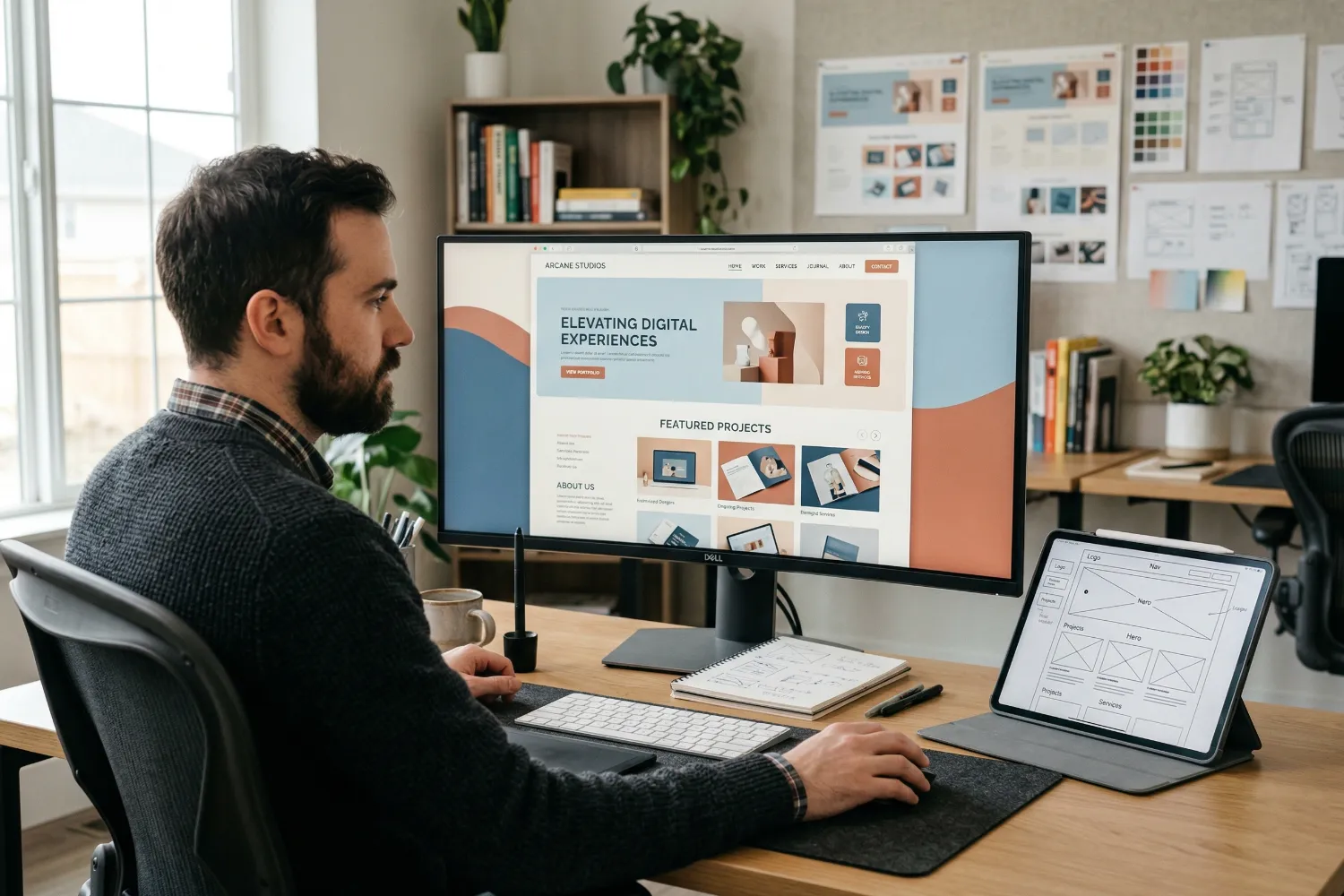
Web design collaboration is the ongoing process of clients and designers working side by side, sharing input at every stage of a project. It’s not just a kickoff meeting and a final review. It’s a back-and-forth process that runs through the entire development of your website.
A lot of people assume designers just need a rough idea to get started. But the truth is, clients bring brand knowledge, business context, and customer insight that designers simply don’t have on their own. Without that input, a lot of guesswork fills the gap.
Good collaboration cuts through that guesswork. It keeps both sides aligned, and it makes the whole process run a lot smoother.
The Real Benefits of Client Involvement in Custom Website Design

There’s a big difference between a custom website built with your input and one built without it. When you stay involved, designers can develop something that genuinely works for your customers, your services, and your goals. Staying in the loop throughout the process pays off in some very tangible ways.
You Get a Website That Reflects Your Brand
Your brand voice, colors, and personality should come through on every page of your website. Here’s what you’ll want to bring to the table early on:
- Brand Guidelines: It follows fonts, colors, logo files, and any existing style rules your business follows
- Competitor References: The websites you like or dislike, and what specifically stands out to you
- Tone of Voice: It matters how you talk to your customers, whether that’s formal, friendly, or somewhere in between
- Visual Examples: Screenshots, mood boards, or even social media posts that capture the look you’re going for
The more your designers know upfront, the less time is spent going back and forth later. And users can always tell when a website was built with care.
Fewer Revisions, Faster Results
Did you know that most revision rounds happen because the client wasn’t consulted early enough in the process? It’s one of the most common issues in web development, and it’s almost entirely avoidable.
Clients who stay involved tend to catch small issues before they grow into bigger ones. A quick look at a design draft early on is a lot easier to fix than reworking an entire page layout at the end.
Regular check-ins keep the project moving and help both sides stay focused on the same goals.
UI Design and User Experience: Where Client Input Makes the Difference
Ever landed on a website and immediately felt like it wasn’t made for you? That’s what happens when user experience is an afterthought. UI design controls how a website looks, and UX design controls how it feels to use.
Get both right, and your website becomes one of your strongest business assets.
Building a Competitive Edge Through Collaboration

Working closely with your designer gives your business a real competitive edge over competitors running templated sites. A custom website built around your specific services and customers is a key differentiator in almost any market.
From our experience, businesses that stay involved throughout the design process tend to walk away with websites they’re genuinely proud to share. And that confidence comes through to site visitors, too.
Getting the Visual Direction Right
Visual direction is the overall look and feel you want your website to have, and it needs to be decided before a single pixel is designed. Here’s a quick look at how client input affects the most common visual decisions:
| Visual Element | Without Client Input | With Client Input |
| Color palette | Designer’s best guess | Matches your brand exactly |
| Images | Generic stock photos | Reflects your actual business |
| Layout style | Based on trends | Built around your users |
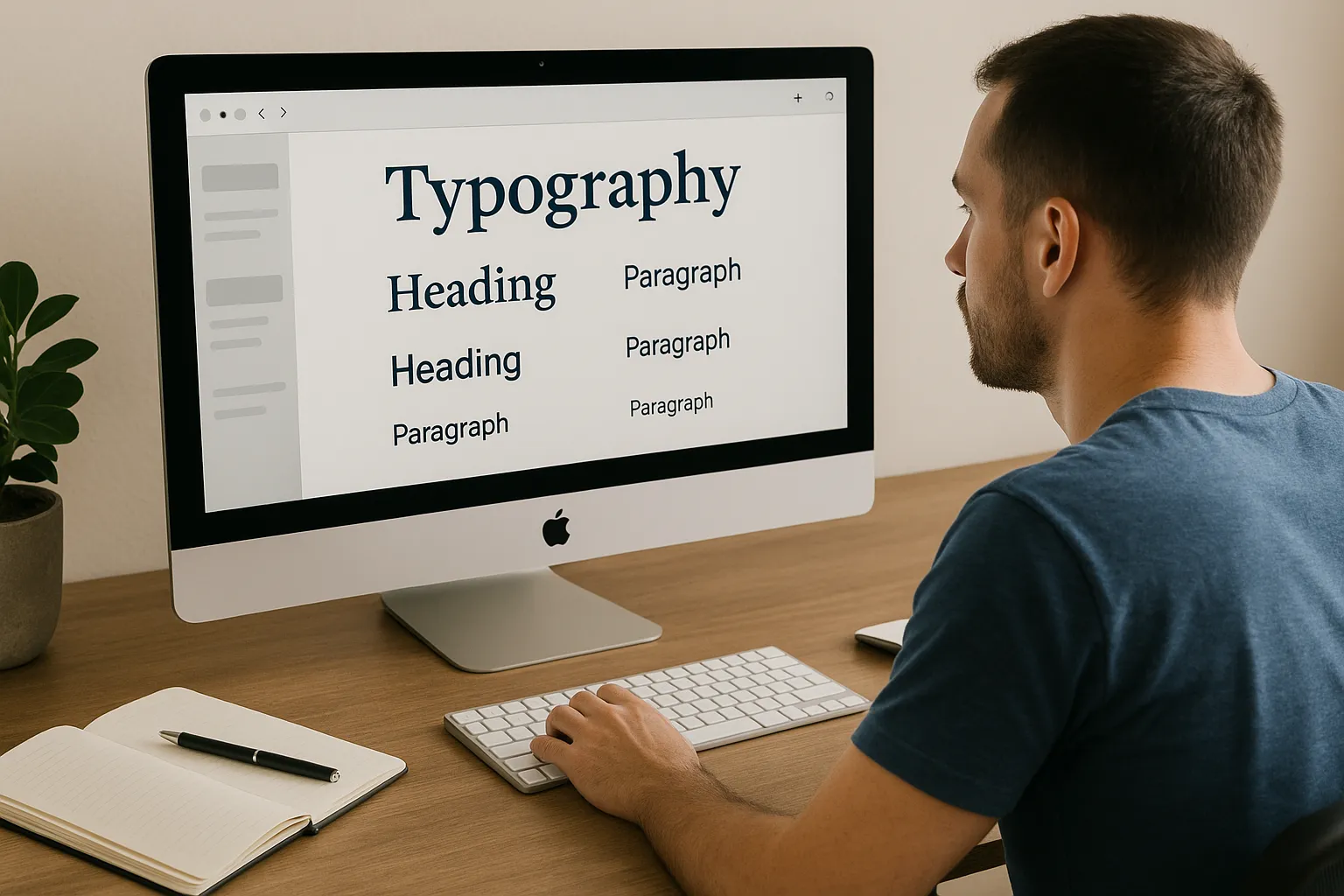
| Typography | Default font choices | Fits your brand tone |
| Button styles | Standard and forgettable | Consistent with your identity |
Users form an opinion about a website within 50 milliseconds. That means your visual direction is a user experience decision that directly affects your bounce rate.
What a Fruitful Web Design Process Actually Looks Like
Most people picture web design as a one-and-done handoff. In reality, the smoothest projects look a lot more like an ongoing conversation. Clients who know what to expect at each stage feel more confident, and the whole development process moves forward with a lot less stress on both sides.
And at the heart of that smoother process is one thing: clear, consistent communication.
How Communication Keeps the Project on Track

Regular communication is what keeps a web design project moving without the costly delays that derail timelines. Simple tools like shared project boards, weekly check-in calls, or even a dedicated chat thread can make a significant impact.
Good communication also helps both sides stay focused on the same business objectives. When something needs to change, a quick follow-up is a lot easier to handle than a full project review weeks down the line.
Online Store, Domain Names, and the Decisions Only You Can Make
Now that we’ve covered the design side, there are some business-specific decisions that no designer can make without you. Things like your online store structure and your domain names are business decisions that need your direct input to get right.
Here are the key decisions only you can make:
- Domain names: Your domain name is your address on the internet. It should be short, easy to remember, and close to your business name. Free domain options exist, but a paid domain looks far more professional to customers and search engines alike.
- Online store categories: How your products or services are grouped affects how easily customers find what they’re looking for. You know your offerings better than anyone, so the main categories should come from you.
- Security and access: Deciding who has access to your website backend, and what level of security your site needs, is something only you can determine based on your business setup.
- Checkout and payment flow: If you’re running an online store, the checkout process should reflect how your existing customers prefer to pay. Your designer can build it, but you need to guide the decisions behind it.
These choices set the foundation for how your website functions. Getting them right from the start saves a lot of headaches further down the line.
Your Next Website Should Feel Like Yours
Web design collaboration isn’t a nice-to-have; it’s what separates a website that works from one that just exists. When you stay involved from the first conversation to the final launch, you end up with something that genuinely reflects your business, builds brand loyalty, and keeps existing customers coming back.
At Gecko Tag, our design services are built around keeping you in the loop at every single stage. We don’t disappear after the brief. We work with you, not just for you.
If you’re ready to build a custom website that actually fits your business and delivers a real user experience worth talking about, let’s start that conversation today. Reach out to the Gecko Tag team and let’s create something you’re proud to put your name on.