Artistic website design improves user retention through visual appeal, intuitive layouts, and emotional connection. When a site looks polished and feels easy to use, visitors will likely stick around longer and even come back more often. They’ll trust your brand and engage with your content.
Here at Gecko Tag, we’ve designed websites that balance visual appeal with usability. Our process ensures that each interaction remains intuitive and guides users effortlessly while it reinforces your brand’s credibility and purpose.
In this article, we’ll explain how artistic design affects user retention. You’ll also learn about the key elements that keep users on your site and how consistent design builds loyal customers.
Ready? Let’s begin.
How Does Artistic Design Improve User Retention?
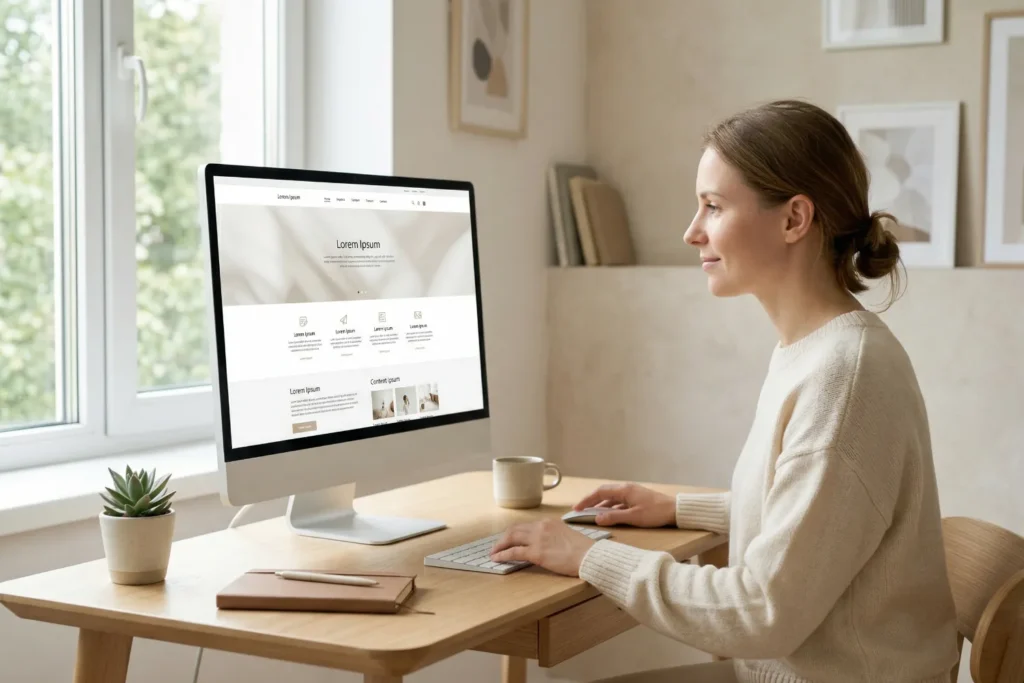
Artistic design improves user retention by creating instant visual appeal that makes visitors want to stay and explore your site. Basically, the look of your site affects how users feel, how long they stay, and if they come back.
Here’s how artistic design keeps users on your site:
- The 50-Millisecond Judgment: According to a Google study, it takes about 50 milliseconds for someone to decide if they trust your site. If it looks outdated or thrown together, they’re gone before reading a word. First impressions shape everything that follows, so the extra effort is worth getting this right.
- Reduced Cognitive Load: Cluttered layouts overwhelm your visitors and send them running. But negative space gives your content room to breathe and guides users through content blocks without effort (less visual noise means better focus).
- Emotional Response to Aesthetics: A visually appealing site sparks curiosity and pulls users deeper into your pages. This kind of artistic web design creates an engaging experience that people want to repeat, and it drives repeat visits over time.
- Credibility Through Visual Appeal: Sites with mismatched fonts or blurry images make visitors question your brand identity. But a professional visual hierarchy tells users you take their needs seriously.
Simply put, a well-orchestrated design strategy ensures that every visual cue serves a clear functional role.
What Design Elements Keep Users on Your Site?
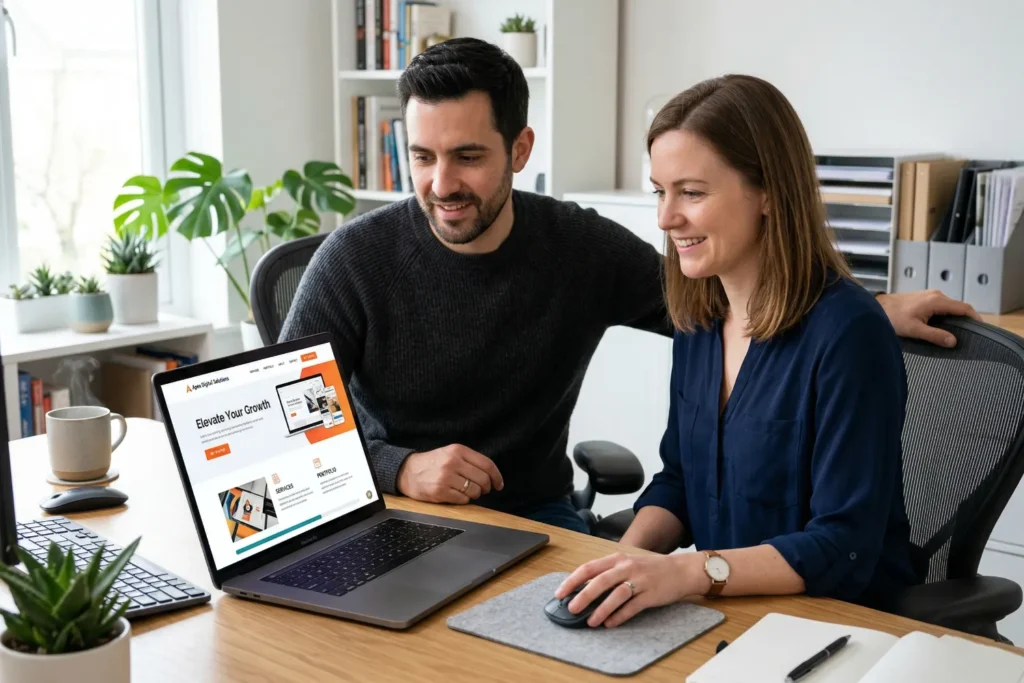
Design elements that keep users on your site include clear visual hierarchy, effective use of negative space, intuitive navigation, and strong calls to action (CTA) buttons. These elements work alongside fast load times and mobile responsiveness to provide a smooth and accessible user experience.
We’ll explain how these elements work in detail below.
Visual Hierarchy and Negative Space
Sometimes you land on a page and feel overwhelmed without knowing why. That’s usually a visual hierarchy problem.
Size and contrast guide the user’s eye toward key elements on a page. For example, larger headings pull attention first, and bold colors highlight buttons you want people to click.
Negative space plays a big role here, too. It creates focus by giving each element room to breathe. Also, a logical structure helps people find what they need quickly by cutting out friction points that push them away.
Practical tip: Test your layout in grayscale to check whether hierarchy still works without color cues.
Intuitive Navigation and Clear CTAs
If you make your menu structure simple, users can move through your site without confusion and know where to click next. Clear labels help them find key pages quickly instead of searching or guessing (every extra step increases drop-off).
Not only that, but action-oriented language in your CTAs helps as well. For instance, buttons that say “Get Your Free Quote” tell users exactly what happens when they click that button. In comparison, confusing menus or unclear paths push users to leave quickly.
Fast Load Times
Did you know that over half of mobile users leave a site if it takes longer than three seconds to load? Slow-loading pages kill user retention before your content even gets a chance.
However, you can quickly solve this by compressing large images and enabling browser caching. These two changes alone can reduce the time taken off your load speed.
For even better website performance, use a content delivery network (CDN) and run your site through Google PageSpeed Insights. The tool flags and shows exactly what’s slowing you down.
Mobile Responsiveness
One of the biggest benefits of a responsive site is that it helps you keep potential customers, even when they visit from their phones. Mobile users make up more than half of web traffic, so your layout, images, and buttons need to adjust smoothly across devices.
Specifically, you need to avoid horizontal scrolling issues on your site because it makes content harder to read and frustrates users. At the same time, don’t forget to include a keyboard accessibility feature to allow people to move through your site more easily.
How Does Consistent Design Build Loyal Customers?

Consistent design builds loyal customers by creating a familiar experience that users recognize, trust, and want to return to. So if everything looks and works the same across pages, users feel more confident using your site, which helps build trust and long-term loyalty.
Let’s look at how consistency helps convert your visitors into loyal customers:
- Unified Brand Identity: Uniform branding builds recognition and encourages loyal customers to return. For instance, when your colors, fonts, and imagery stay unified across pages, users start to trust your brand identity. Inconsistent design elements do the opposite and weaken customer retention over time.
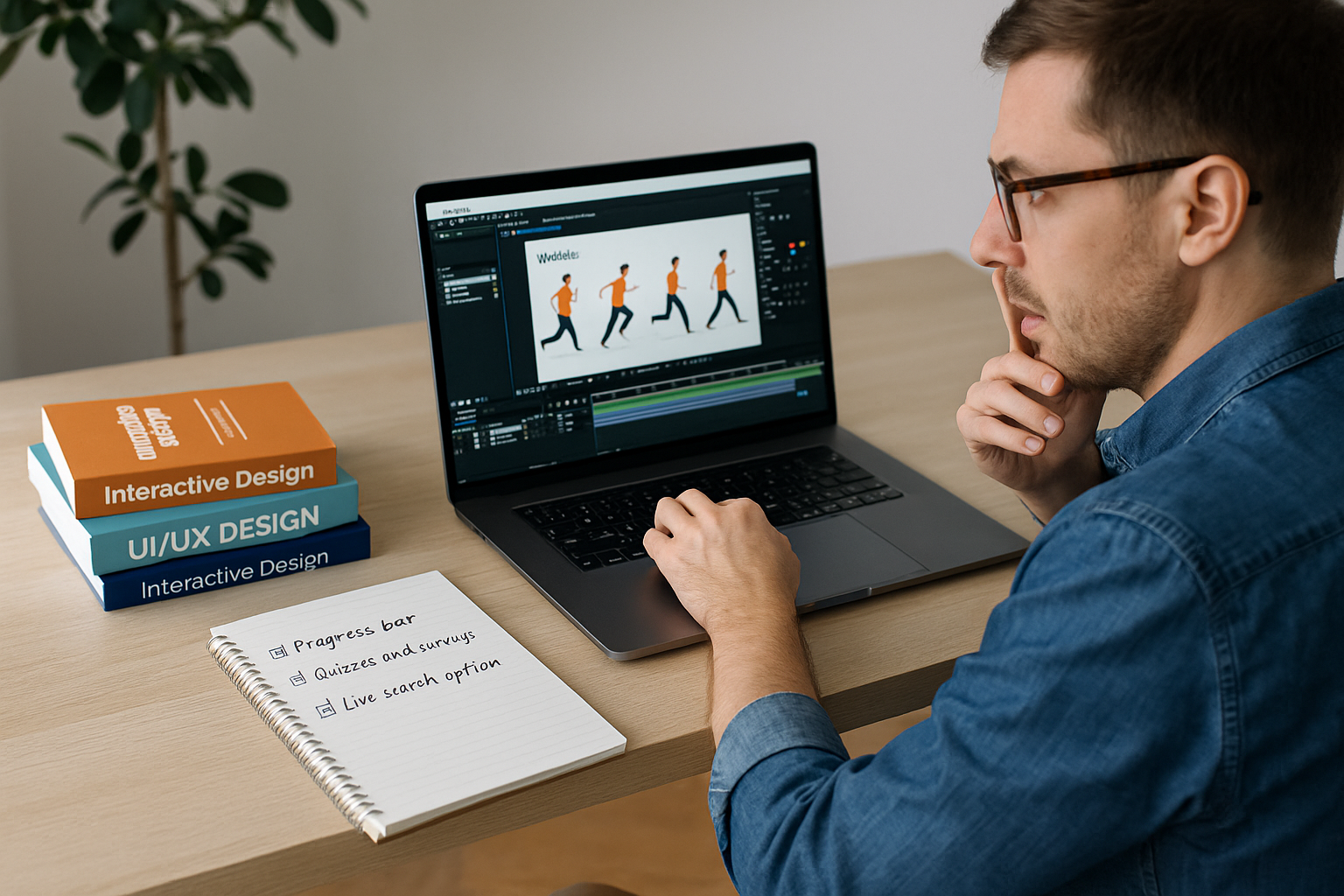
- Interactive Elements: Features like progress bars and hover effects increase user engagement on your site. These small touches make users interact more with your content and feel rewarded for their actions. Progress indicators also help users know where they are, which keeps them moving forward.
- Personalized User Experience: User-centered design that uses feedback helps improve customer retention because it aligns your site with real user needs. In particular, personalized recommendations make users feel understood and encourage them to come back to your site.
The result of these combined design choices is an experience that users return to with clear expectations and confidence.
Strategy tip: Align visual consistency with tone and messaging to reinforce brand identity at every touchpoint.
Keep Users Coming Back With Better Design
Artistic web design builds trust in milliseconds and reduces cognitive load. It also creates emotional connections that bring users back.
You just need to follow a few simple steps to create an artistic website. First, you should use visual hierarchy and negative space to guide attention. And don’t forget to keep your site structure intuitive and load times fast. Plus, you need to make sure your site works on mobile devices, and most importantly, stay consistent with your brand identity across every page.
If your site isn’t holding onto visitors the way it should, we can help. Contact us today for a free consultation.